Viola d’Amore
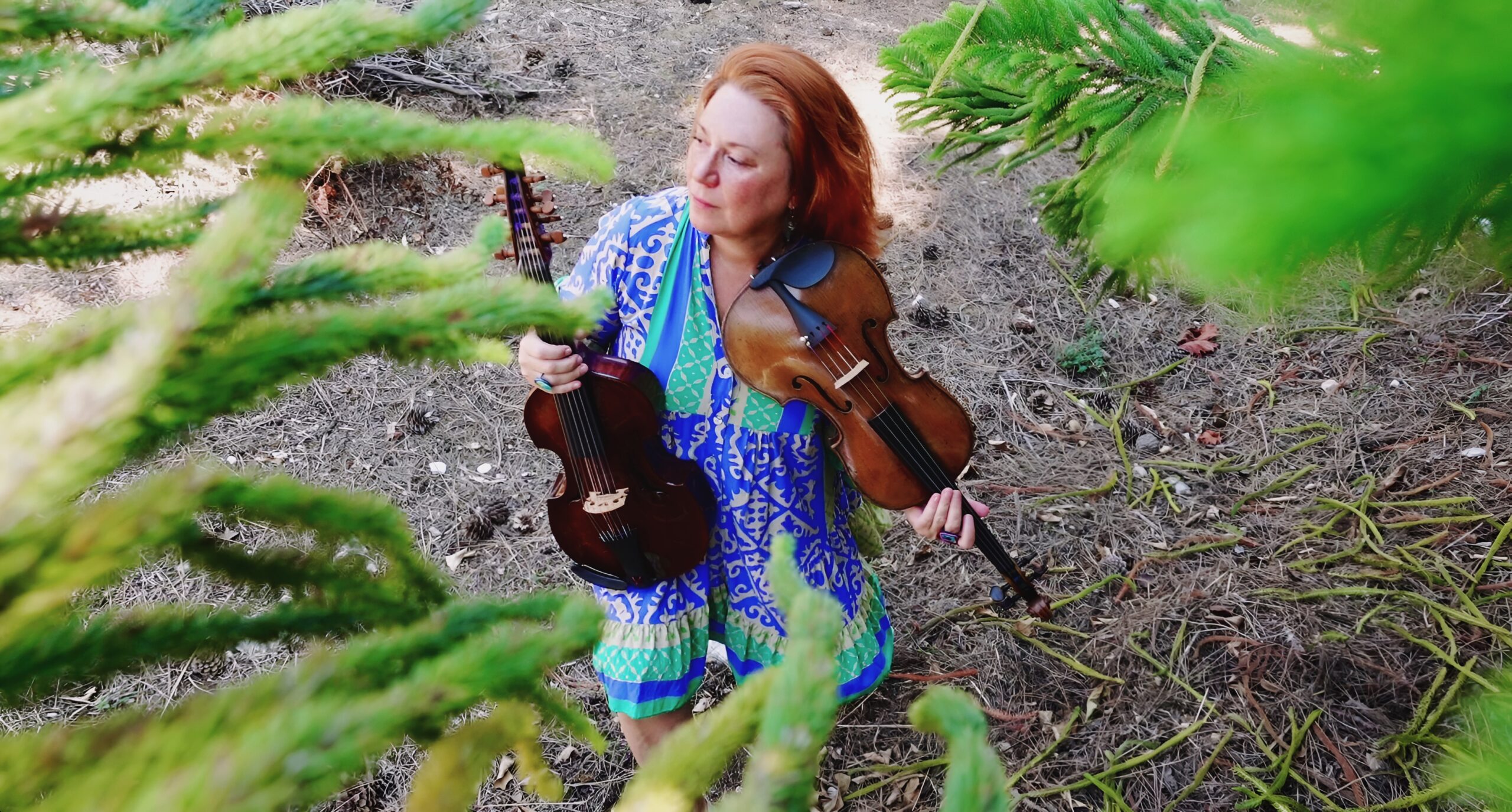
The Viola d’Amore fascinates Tatjana Masurenko through its extraordinary sonic freedom and its exceptionally rich resonance. The instrument allows music to breathe in a natural, intimate way, opening a sound world of great depth and subtlety.
When playing the Viola d’Amore, she experiences a profound sense of freedom and inner openness. Each piece becomes a narrative, a musical story shaped through color, resonance, and character. The instrument invites exploration beyond conventional boundaries, offering a uniquely personal space for artistic expression.
Tatjana Masurenko’s connection to the Viola d’Amore began at a very early age. As a child, she attended concerts of her viola professor at the St. Petersburg Conservatory, who regularly performed on the Viola d’Amore and owned an exceptionally beautiful Amati instrument. The sound of this instrument left a lasting impression and became part of her musical imagination long before she herself began to play it. From that moment on, the Viola d’Amore remained an inner musical presence, a sound she carried with her for many years.
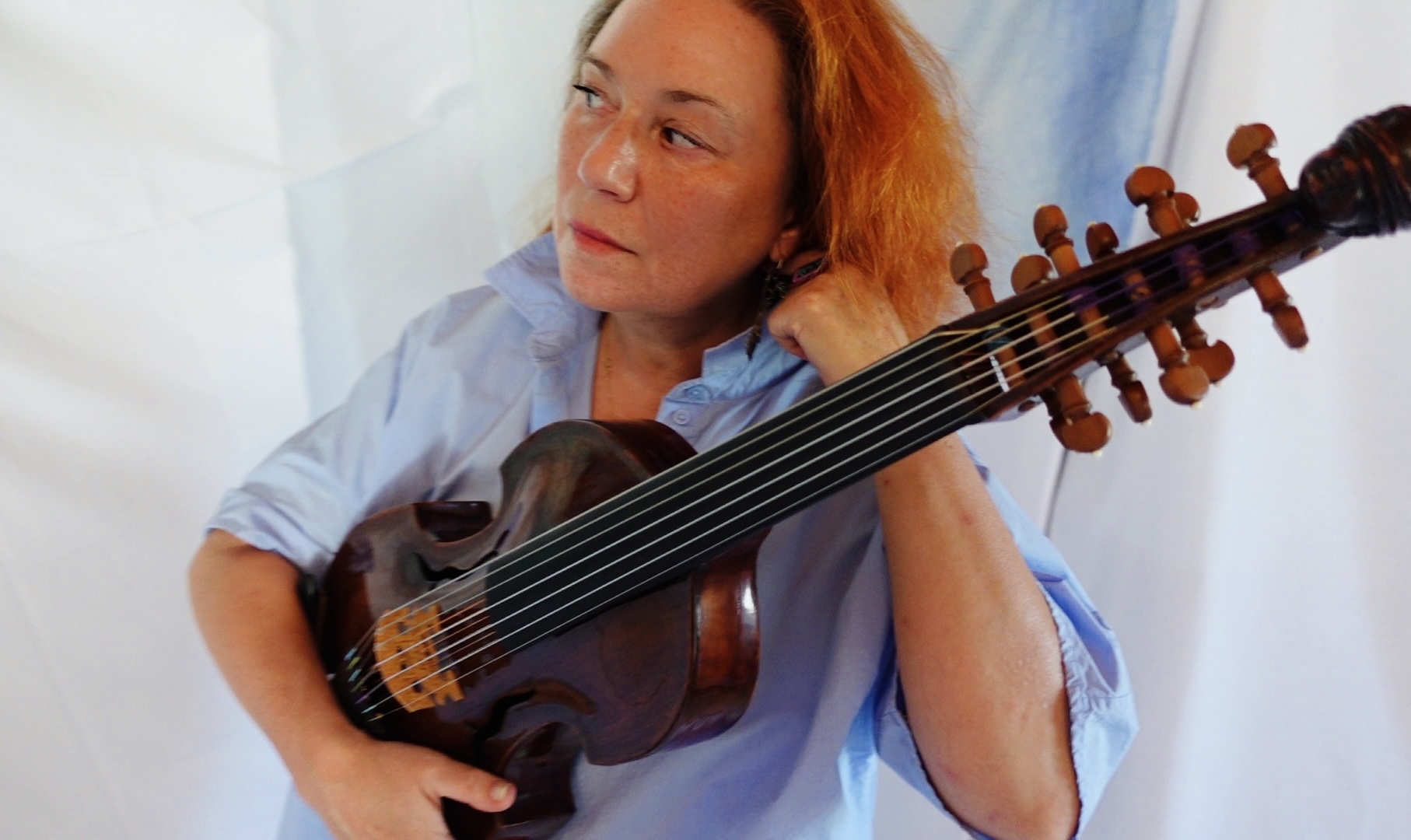
While deeply rooted in the traditional repertoire of the Viola d’Amore, Tatjana Masurenko’s artistic approach extends far beyond historical performance alone. Baroque works, particularly the Italian concertos of Antonio Vivaldi, the French repertoire, and the German tradition form an essential foundation of her work.
At the same time, contemporary music plays a central role in her engagement with the instrument. New compositions continually reveal unexpected textures, techniques, and expressive possibilities, keeping the Viola d’Amore a living, evolving voice within today’s musical landscape.
Exploring the Viola d’Amore has a strong influence on Tatjana Masurenko’s work as a violist. She considers the exploration of related string instruments essential for developing a broader technical and musical awareness. The wide spectrum of playing techniques and resonant possibilities of the Viola d’Amore continually feeds back into her viola playing, enriching her sound imagination, technical flexibility, and artistic expression. In this sense, the Viola d’Amore is not a parallel path, but an integral extension of her musical identity.
Viola d’Amore
The Viola d’Amore fascinates Tatjana Masurenko through its extraordinary sonic freedom and its exceptionally rich resonance. The instrument allows music to breathe in a natural, intimate way, opening a sound world of great depth and subtlety.
When playing the Viola d’Amore, she experiences a profound sense of freedom and inner openness. Each piece becomes a narrative, a musical story shaped through color, resonance, and character. The instrument invites exploration beyond conventional boundaries, offering a uniquely personal space for artistic expression.
Tatjana Masurenko’s connection to the Viola d’Amore began at a very early age. As a child, she attended concerts of her viola professor at the St. Petersburg Conservatory, who regularly performed on the Viola d’Amore and owned an exceptionally beautiful Amati instrument.
The sound of this instrument left a lasting impression and became part of her musical imagination long before she herself began to play it. From that moment on, the Viola d’Amore remained an inner musical presence, a sound she carried with her for many years.
While deeply rooted in the traditional repertoire of the Viola d’Amore, Tatjana Masurenko’s artistic approach extends far beyond historical performance alone. Baroque works, particularly the Italian concertos of Antonio Vivaldi, the French repertoire, and the German tradition form an essential foundation of her work.
At the same time, contemporary music plays a central role in her engagement with the instrument. New compositions continually reveal unexpected textures, techniques, and expressive possibilities, keeping the Viola d’Amore a living, evolving voice within today’s musical landscape.
Exploring the Viola d’Amore has a strong influence on Tatjana Masurenko’s work as a violist. She considers the exploration of related string instruments essential for developing a broader technical and musical awareness.
The wide spectrum of playing techniques and resonant possibilities of the Viola d’Amore continually feeds back into her viola playing, enriching her sound imagination, technical flexibility, and artistic expression. In this sense, the Viola d’Amore is not a parallel path, but an integral extension of her musical identity.
Back to ARTISTIC WORK